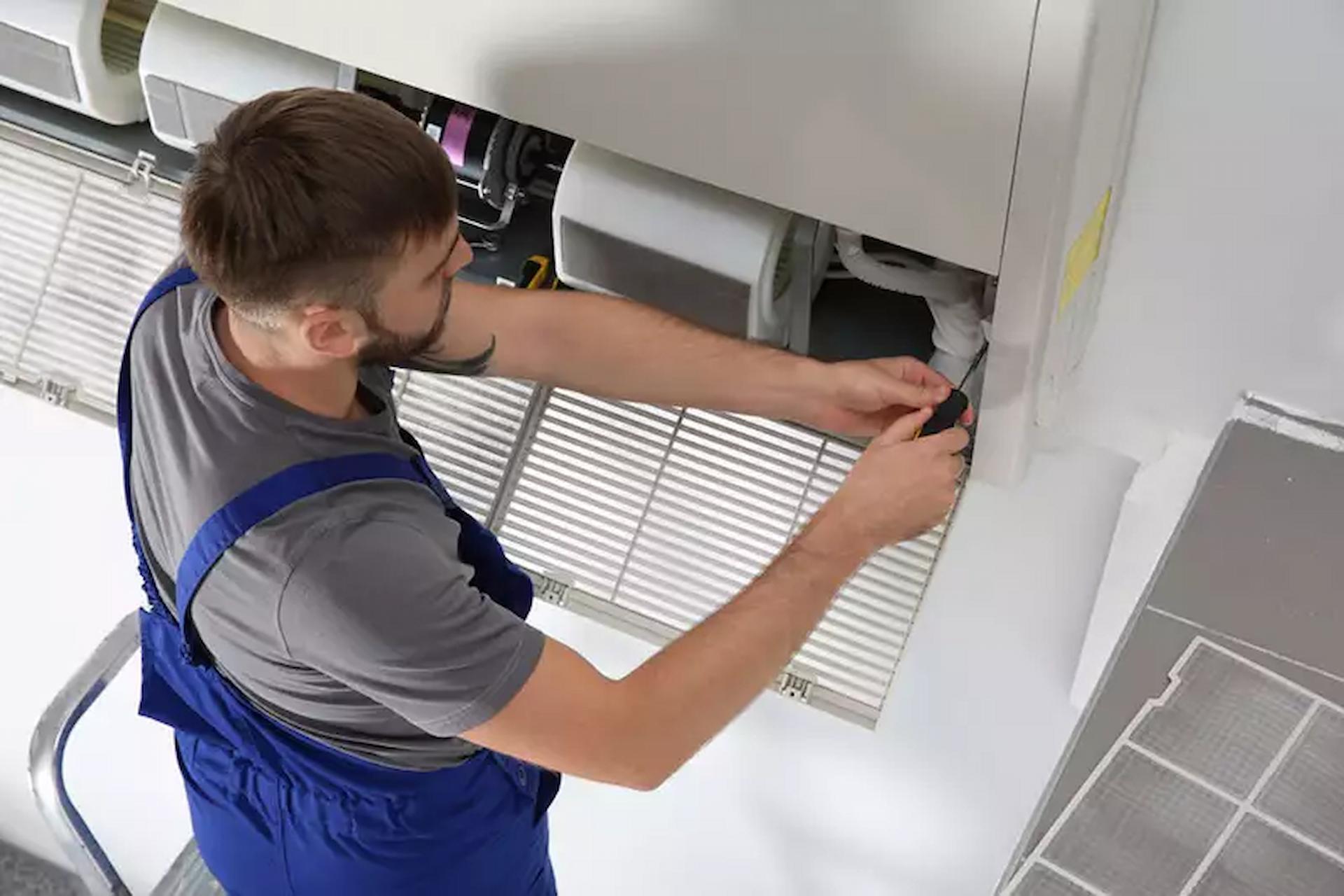
Seasonal HVAC maintenance plays a vital role in protecting homeowners from costly emergency repairs, rising energy bills, and unexpected heating or cooling failures. Many HVAC systems experience preventable breakdowns because routine servicing is delayed or ignored until serious problems appear. Regular HVAC tune-ups help improve energy efficiency, extend equipment lifespan, and keep heating and air conditioning systems operating reliably throughout every season.
From clogged air filters and refrigerant leaks to worn electrical components, small issues can quickly become expensive repairs without proper inspection and maintenance. Homeowners who schedule professional seasonal servicing with an experienced HVAC company in Zillah, WA can reduce the risk of sudden system failures while improving indoor comfort, airflow, and long-term HVAC performance. Preventative maintenance remains one of the most effective ways to protect both residential comfort and overall heating and cooling investments.
Why Seasonal HVAC Maintenance Matters
HVAC systems work hard year-round. Air conditioners run for long hours during hot weather, while furnaces and heat pumps carry the load through colder months. Over time, normal wear and tear affects important components such as motors, filters, electrical connections, and refrigerant lines.
Without regular servicing, minor issues can gradually worsen. A clogged filter may reduce airflow, a loose electrical connection can create safety risks, and neglected coils may force the system to work harder than necessary. Seasonal tune-ups help technicians identify these problems early before they lead to complete system failure.
Routine maintenance also keeps systems operating more efficiently. When an HVAC unit runs smoothly, it uses less energy to heat or cool the home, which can help reduce monthly utility costs.
Common HVAC Problems Prevented by Tune-Ups
Many emergency HVAC repairs begin as small maintenance issues that were left unnoticed. Seasonal inspections can help prevent a wide range of common problems.
Dirty or Blocked Filters
Air filters trap dust, dirt, and airborne particles. Over time, filters become clogged and restrict airflow throughout the system. Poor airflow forces the HVAC unit to work harder, increasing strain on motors and fans.
Replacing or cleaning filters regularly helps maintain proper airflow and reduces unnecessary stress on the system.
Refrigerant Leaks
Low refrigerant levels can affect cooling performance and increase energy consumption. Small refrigerant leaks often go undetected until the air conditioner stops cooling effectively.
During a tune-up, technicians can inspect refrigerant levels and check for signs of leakage before serious compressor damage occurs.
Electrical Component Wear
HVAC systems contain numerous electrical parts that can loosen or wear down over time. Faulty wiring, damaged capacitors, or worn relays may eventually lead to system shutdowns or safety hazards.
Seasonal maintenance includes inspecting and tightening electrical connections to ensure safe operation.
Frozen Evaporator Coils
Poor airflow or refrigerant issues can cause evaporator coils to freeze. Frozen coils reduce cooling performance and may eventually damage the compressor if ignored.
Routine servicing helps identify the conditions that commonly lead to frozen coils and prevents larger system failures.
The Financial Benefits of Preventative Maintenance
Emergency HVAC repairs are often far more expensive than routine maintenance visits. Replacing major components such as compressors, blower motors, or heat exchangers can cost significantly more than a seasonal tune-up.
Preventative servicing can also help homeowners avoid secondary damage. For example, a malfunctioning air conditioner may lead to excess indoor humidity, while heating failures during winter could increase the risk of frozen pipes in extreme temperatures.
There are also long-term financial advantages to keeping HVAC equipment properly maintained:
- Improved energy efficiency
- Lower monthly heating and cooling costs
- Reduced likelihood of emergency call-out fees
- Longer equipment lifespan
- Fewer unexpected replacement expenses
Many manufacturers also require proof of regular maintenance to keep warranty coverage valid. Skipping routine servicing could potentially affect warranty claims if a major component fails.
Seasonal Tune-Ups Improve Energy Efficiency
An HVAC system that receives regular maintenance generally performs more efficiently than one that is neglected. Dirt buildup, worn parts, and airflow restrictions all force equipment to work harder to maintain indoor temperatures.
Seasonal tune-ups often include:
- Cleaning condenser and evaporator coils
- Inspecting ductwork airflow
- Lubricating moving components
- Checking thermostat calibration
- Testing system performance
- Cleaning drain lines
- Inspecting blower assemblies
These small adjustments can improve system performance and reduce unnecessary energy use. Even modest efficiency improvements may lead to noticeable savings over time, particularly during peak heating and cooling seasons.
Why Timing Matters for HVAC Maintenance
Scheduling tune-ups before peak weather seasons is especially important. Spring maintenance prepares cooling systems for warmer temperatures, while autumn servicing ensures heating systems are ready for winter demands.
Waiting until the system begins showing signs of trouble can increase the risk of emergency breakdowns when HVAC companies are busiest. Seasonal maintenance appointments also provide technicians with time to identify worn parts that may need replacement before heavy system use begins.
Homeowners who arrange maintenance early often benefit from greater scheduling flexibility and reduced chances of facing urgent repair situations during extreme weather.
Signs Your HVAC System May Need Attention
Even with regular maintenance, homeowners should still pay attention to warning signs that may indicate developing HVAC problems.
Common signs include:
- Uneven heating or cooling
- Unusual noises during operation
- Weak airflow from vents
- Rising energy bills
- Frequent system cycling
- Strange odours from vents
- Excess indoor humidity
- Thermostat inconsistencies
If these issues appear, contacting a qualified HVAC company in Zillah, WA promptly may help prevent further damage and reduce repair costs.
The Long-Term Value of Routine HVAC Care
HVAC systems represent a major investment for most homeowners. Like any important household equipment, they perform best when properly maintained. Seasonal tune-ups are not simply about preventing inconvenience; they are part of protecting the long-term reliability and efficiency of the entire system.
Preventative care helps reduce unexpected breakdowns, supports healthier indoor air quality, improves comfort, and keeps equipment operating safely throughout the year. While emergency repairs can never be eliminated entirely, routine servicing significantly lowers the chances of facing sudden failures during periods of extreme weather.
For homeowners looking to avoid costly surprises and extend the life of their heating and cooling system, seasonal HVAC maintenance remains one of the smartest and most practical investments they can make.