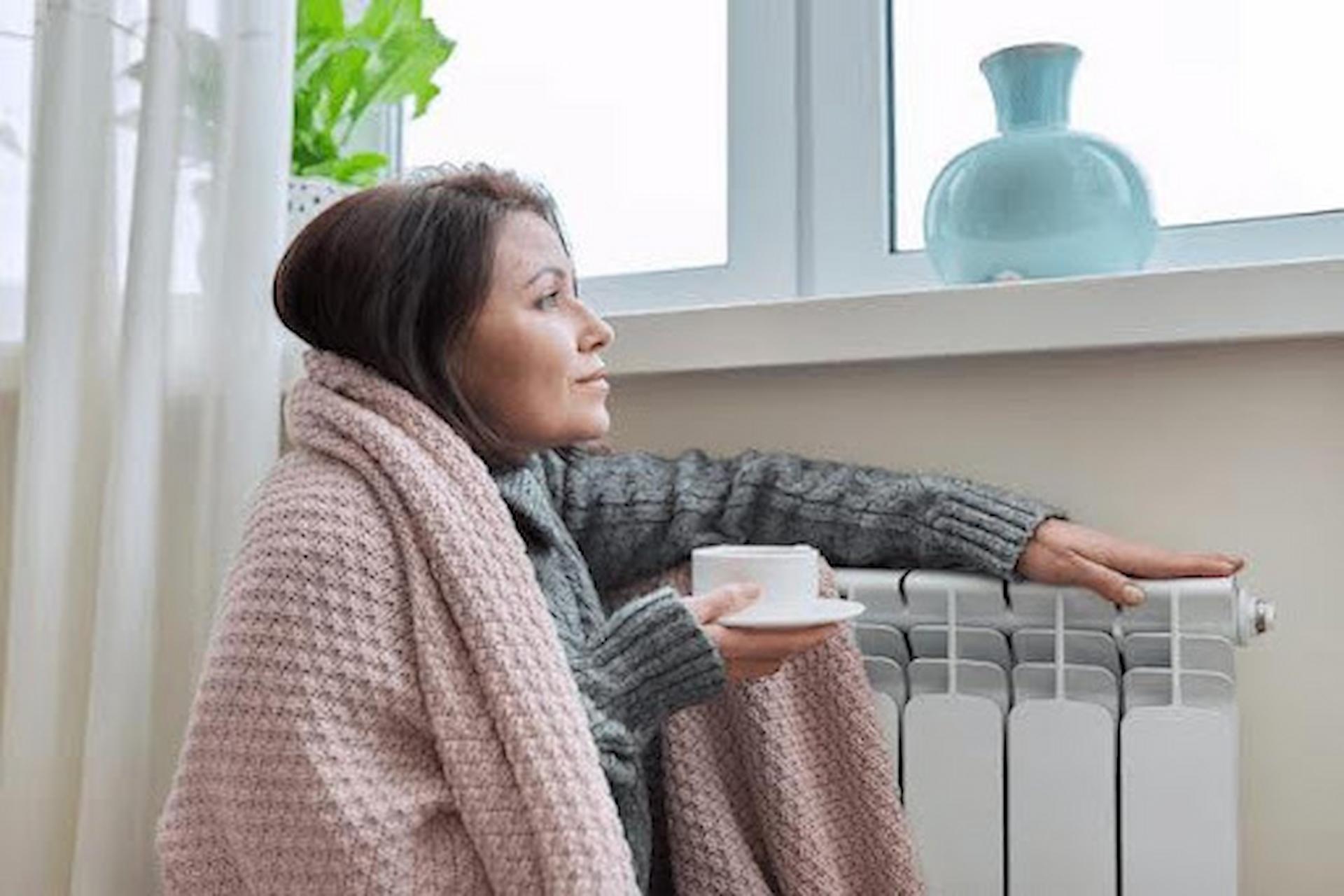
Home radiators are essential for comfort but can significantly affect energy bills. Understanding how they work and how to optimize their efficiency can save you money.
Radiators are a staple in homes around the world, keeping us warm during the colder months. While they are often a key element of home comfort, many people overlook how they affect energy consumption and overall efficiency. If you’re tired of high heating bills, it might be time to evaluate how your radiators are contributing to the cost. Let’s break down the relationship between radiators and energy bills, how to boost efficiency, and the steps you can take to reduce your heating costs without sacrificing comfort.
The Role of Radiators in Enhancing Heating Efficiency
Radiators work by circulating hot water or steam through a network of pipes, which then radiates heat into the surrounding air. Their purpose is to maintain a comfortable temperature in your home by absorbing heat and releasing it into the room. However, how well they do this and how much energy they use depends on several factors, including the type of radiator, how well your home is insulated, and how you maintain the system. Stelrad Radiators offer modern, energy-efficient options that enhance heat distribution, making them a great choice for boosting overall heating efficiency in your home.
How Radiators Affect Energy Bills
While it’s easy to assume that turning up the thermostat is the quickest way to stay warm, the type of radiator you use can have a significant impact on your energy bills. Traditional radiators or older systems tend to be less efficient, requiring more energy to achieve the same level of warmth as modern, energy-efficient models.
A poor radiator setup can result in heat loss, energy wastage, and higher bills. For example, if your radiators are old, clogged, or malfunctioning, they might not heat your home efficiently. As a result, you’ll need to keep the heating on longer, driving up energy costs.
Factors Affecting Radiator Efficiency
Several elements contribute to the efficiency of home radiators:
- Radiator Type
The material and design of your radiator play a huge role in how efficiently it heats your space. Some materials, like steel, are better at conducting heat, while others, such as cast iron, may take longer to warm up but provide more consistent heat. - Thermostatic Radiator Valves (TRVs)
TRVs allow you to control the temperature of individual radiators, ensuring that rooms are heated to the desired level without wasting energy. By installing TRVs on all your radiators, you can manage your heating on a room-by-room basis, which can lead to significant savings. - Insulation and Placement
How well your home is insulated also affects how much energy your radiators use. If the heat you generate from the radiator escapes through poorly insulated walls or windows, you’re wasting energy. Proper placement of your radiators ensures they distribute heat efficiently throughout the room, reducing the need for additional heating. - Boiler Efficiency
The efficiency of your central heating system, including your boiler, plays a vital role in radiator performance. An old, inefficient boiler will need more energy to heat the water circulating through your radiators, leading to higher energy consumption and bills.
How to Improve Radiator Efficiency
To maximize the efficiency of your home radiators, follow these tips:
- Upgrade to Modern Radiators: If your radiators are outdated, consider replacing them with modern, more efficient models. For example, Stelrad Radiators offer a range of energy-efficient options that provide better heat distribution and can save you money on your energy bills.
- Bleed Your Radiators Regularly: Air trapped inside radiators can reduce their ability to heat your home effectively. Regularly bleeding your radiators ensures that they are free from airlocks and heating as efficiently as possible.
- Check for Leaks: Even a small leak in your radiator system can lead to significant energy wastage. Check your radiators and pipes regularly for any signs of leaks and repair them promptly to avoid wasted energy and high heating bills.
- Use a Programmable Thermostat: A smart thermostat helps regulate the temperature in your home more efficiently. By programming it to heat your home only when needed, you avoid unnecessary heating costs, especially when you’re not at home.
- Consider Radiator Reflectors: Placing reflective panels behind your radiators helps direct the heat back into the room instead of allowing it to be absorbed by the wall. This simple change can improve efficiency without requiring a major investment.
The Impact of Proper Radiator Maintenance
Proper maintenance of your radiators can go a long way in ensuring they operate efficiently and cost-effectively. Regular maintenance not only extends the life of your radiators but also ensures they work at their optimal level, reducing the chances of energy waste.
By investing in regular servicing and paying attention to minor issues such as leaks, corrosion, or radiator blockages, you can improve both the lifespan and efficiency of your radiator system. Moreover, keeping the radiators clean, especially the vents and grilles, ensures they are free from dust buildup that can obstruct airflow and hinder heat distribution.
Conclusion
Your home radiators play a significant role in both your heating comfort and your energy bills. With the right radiator system, regular maintenance, and a few simple adjustments, you can boost the efficiency of your heating system, lower your energy consumption, and save money on your energy bills. Consider upgrading to modern, energy-efficient models like Stelrad Radiators and implementing these actionable tips to make the most out of your heating system. With a little attention and effort, you can stay warm without breaking the bank.