Introduction to Modern Investment Casting
Investment Casting supports the creation of components with detailed shapes and tight tolerances. It allows manufacturers to deliver parts that meet demanding performance requirements while keeping the production process efficient. The method is based on forming a ceramic shell around a wax pattern and then replacing the wax with molten metal. This approach results in parts with smooth surfaces and accurate dimensions. Because of these qualities, the process is widely used where precision is essential and where designs require more than basic machining or fabrication can provide.
Many industries depend on this technique to achieve complex geometries without compromising quality. The method works well with different alloys and supports both simple and advanced forms. This flexibility makes it valuable for applications that need performance, durability, and reliability. As expectations for high-quality components grow, the role of Investment Casting continues to expand.
Achieving Complex Shapes with Precision
One of the main advantages of Investment Casting is its ability to deliver intricate forms without the need for extensive secondary work. The process supports undercuts, thin walls, and detailed internal features. These are often difficult or impossible to achieve using traditional manufacturing methods. Because the wax pattern can be shaped very accurately, the final part reflects the same level of detail. This helps reduce machining time while maintaining the required performance standards.
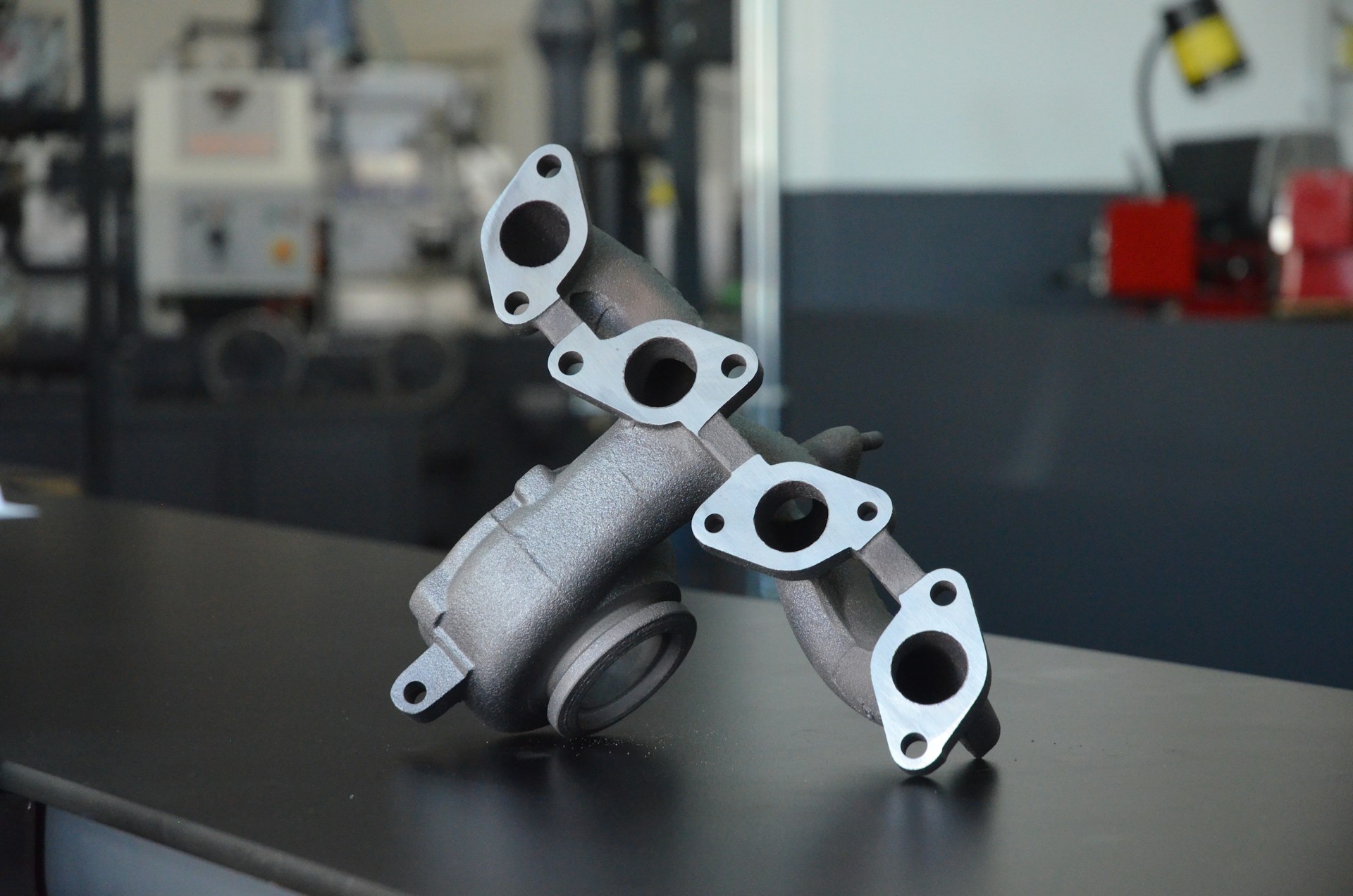
The ceramic shell contributes to accuracy by capturing even fine surface details. As the metal fills the cavity, it solidifies into a part with minimal variation. This level of precision helps support industries that require consistent results. Engine components, pump parts, and custom mechanical assemblies often rely on this method to achieve both strength and geometric accuracy. In these cases, producing parts that work correctly the first time is essential.
Material Performance and Reliable Quality
The ability to work with a wide range of alloys is another strength of Investment Casting. The process supports stainless steels, high-temperature alloys, and other materials that must perform under pressure. These alloys help ensure durability and resistance to wear, corrosion, and heat. When paired with a controlled production process, the outcome is a component that performs well in demanding environments.
Quality also depends on the stability of the moulding and melting systems. Accurate temperature control and consistent material handling support uniform results. By maintaining these conditions, manufacturers can produce parts that meet tight dimensional and structural requirements. This reliability is essential for sectors where even small variations can affect performance. Aerospace, automotive, and industrial machinery are examples of areas where stability and repeatability are priorities.
Efficiency and Reduced Material Waste
Investment Casting supports efficiency by reducing the need for excess machining. Because parts are formed close to their final shape, material removal is kept to a minimum. This not only saves time but also reduces overall material waste. The shell mould captures the detail needed from the start, allowing the final part to align closely with the design specifications.
Wax patterns used in the process can be recovered and reused, which helps maintain resource efficiency. The process also supports multiple parts in a single pour through tree assemblies. This improves productivity during casting and reduces cycle time. When managed properly, these steps contribute to a more streamlined workflow. This efficiency supports consistent production schedules and steady delivery of high-quality components.
Supporting High-Performance Industries
Investment Casting serves industries where precision, strength, and reliability must work together. In sectors such as aerospace and energy, parts may face high temperatures, pressure, or mechanical load. The ability to create accurate forms using strong alloys helps meet these expectations. The method also allows freedom in design, enabling engineers to shape components that meet specific performance requirements.
The process is used for turbine blades, valve components, gear systems, and other parts that must operate with minimal error. Its adaptability makes it suitable for both small and large production runs. This flexibility supports projects that require custom shapes as well as ongoing manufacturing lines. With accurate results and stable performance, Investment Casting continues to support industries with demanding standards.
Design Flexibility for Modern Applications
The design freedom offered by Investment Casting helps engineers create complex components without the limitations found in many other forming methods. Thin sections, curved surfaces, and carefully balanced geometries can all be achieved with consistency. This level of freedom allows products to be lighter, stronger, or more efficient depending on the application.
Improving design flexibility also helps reduce the number of parts in an assembly. With the ability to cast complex shapes as a single component, the need for joining or welding may decrease. This helps improve strength and reduce weak points. For many applications, creating a single well-designed part is preferable to combining multiple elements. The casting process supports these objectives while keeping the production method manageable.
Conclusion
Investment Casting continues to play an important role in producing high-performance components with complex geometries. Its ability to deliver precise, durable, and detailed shapes makes it valuable across many industries. The process supports efficient production, reliable material performance, and consistent results. As manufacturing requirements evolve, the method remains a solid choice for achieving both accuracy and design freedom.
If you want adjustments, alternative styles, or another article, feel free to ask!