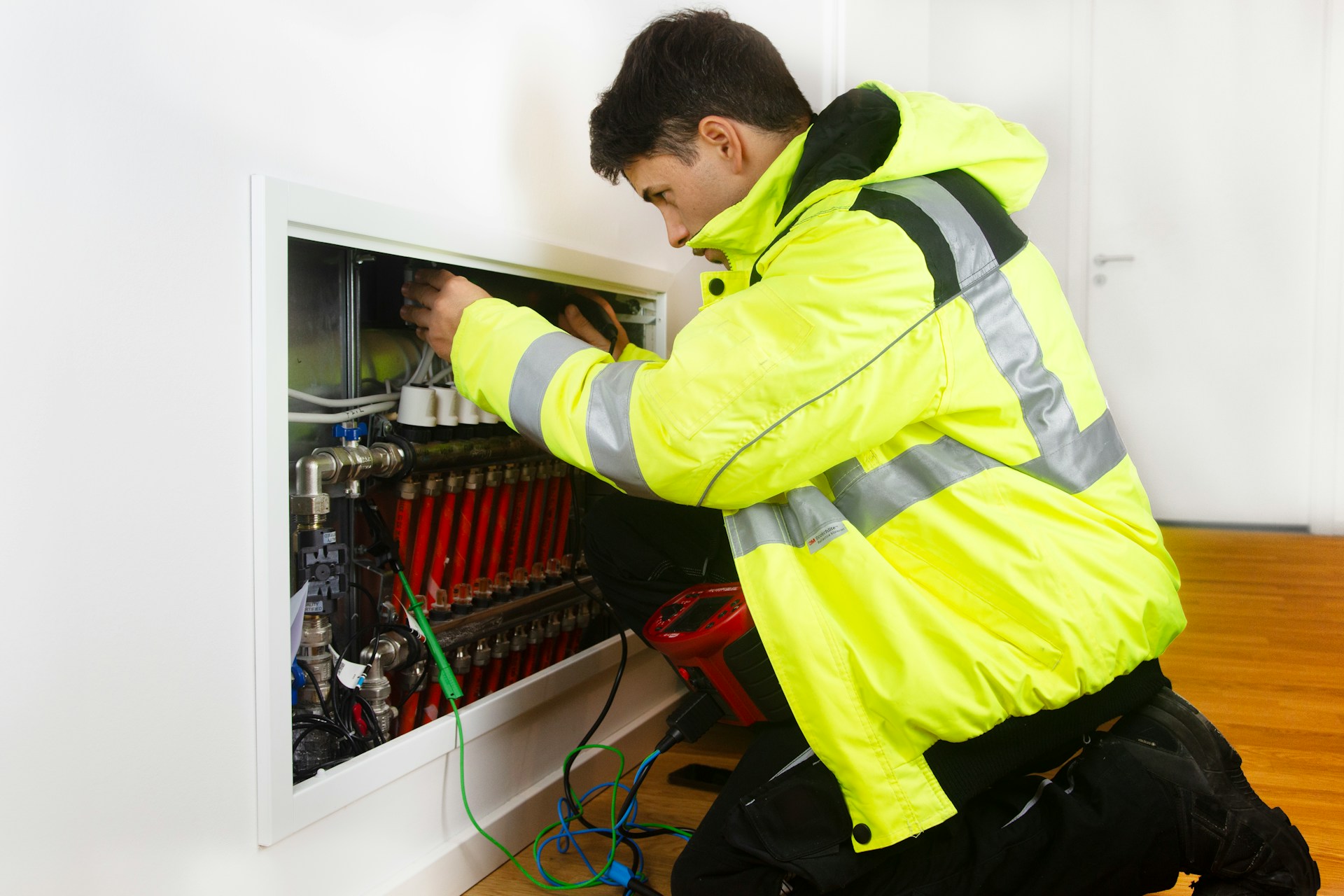
Preparing your home heating system before temperatures fall can help maintain comfortable indoor conditions and reduce the risk of unexpected problems during winter. Heating equipment that has been unused for several months may need attention before it returns to regular service. Simple checks, timely maintenance and sensible heating habits can help homeowners identify concerns early and plan any necessary work.
Arranging heating maintenance in Arlington, WA can help homeowners prepare their equipment for colder weather through professional inspections and servicing. Although maintenance cannot prevent every fault, it provides an opportunity to check system operation, identify worn components and address problems before the heating system is relied upon more heavily.
Inspect Your Heating System Before Winter
Start by checking your heating equipment for visible signs of damage. Look for water around the boiler or connected pipework, unusual marks, loose external covers or other changes that may indicate a problem. Do not remove panels or attempt internal repairs. If you notice a leak, persistent unusual noise or another concerning symptom, arrange an inspection by a qualified professional.
It is also worth checking the thermostat and heating controls before regular use begins. Confirm that the settings are appropriate and that the system responds when heating is requested. If some rooms remain cold while others become too warm, the issue may involve the controls, radiator balancing, airflow or another component. Identifying the symptoms early makes it easier to arrange the correct investigation.
Arrange Professional Servicing
Professional servicing helps assess whether heating equipment is operating as intended. Depending on the system, an inspection may involve checking relevant components, controls, safety features and general performance. Boilers and other fuel-burning appliances require particular care because faults involving combustion or ventilation can present serious risks.
Homeowners should follow the manufacturer’s servicing recommendations rather than waiting until the system breaks down. Use an appropriately qualified professional for the type of equipment installed. In the UK, gas boiler work must be carried out by a Gas Safe registered engineer. Keep service records and ask the engineer to explain any faults, recommended repairs and issues that may require monitoring.
Check Radiators, Filters and Airflow
Radiators and vents should remain unobstructed so heat can circulate effectively. Move furniture away from radiators where possible, and avoid covering them with heavy curtains or clothing. If radiators have cold patches or take longer than usual to warm up, the heating system may need further investigation. Bleeding a radiator can sometimes help when air is trapped, but persistent problems may indicate another issue.
For systems that use air filters, check the manufacturer’s instructions for cleaning or replacement intervals. A dirty filter can restrict airflow and affect performance, particularly in forced-air systems. Keep accessible vents clear of dust and obstructions, and avoid changing system components without understanding the requirements. If airflow remains poor after basic checks, a qualified technician can investigate the cause.
Review Heating Controls and Energy Use
Heating controls can help homeowners manage indoor temperatures without running equipment unnecessarily. Check that the thermostat is positioned away from direct sunlight, draughts and other heat sources that may affect its readings. If the system has a timer or programmable control, review the schedule to match the household’s daily routine rather than heating an empty home for extended periods.
It is also useful to inspect the home’s insulation and identify draughts around doors, windows and other openings. Simple measures, such as suitable draught-proofing and closing curtains after dark, may help retain warmth. However, ventilation should not be blocked, particularly in rooms with fuel-burning appliances. Any changes should maintain appropriate ventilation and follow the appliance manufacturer’s safety guidance.
Recognise Warning Signs and Plan Repairs
A heating system may show warning signs before a complete breakdown. These can include repeated shutdowns, unusual banging or whistling, inconsistent temperatures, unexpected increases in energy use or a lack of hot water. None of these symptoms identifies a specific fault on its own, so avoid assuming that a particular component needs replacing without a proper assessment.
If the system is unreliable, arrange professional help before colder weather increases demand for heating services. Ask for a clear explanation of the problem, the recommended work and the likely cost before authorising repairs. If the equipment is old and requires frequent or expensive repairs, discuss whether replacement is worth considering. The decision should reflect the system’s condition, efficiency, repair history and suitability for the property.
Conclusion
Preparing your heating system before winter involves more than switching it on when temperatures drop. Checking visible components, arranging servicing, keeping radiators and filters clear, reviewing controls and responding promptly to warning signs can all help support reliable operation. These steps also give homeowners more time to plan repairs rather than dealing with avoidable disruption during colder weather.
Follow the manufacturer’s recommendations and use qualified professionals for servicing and repairs that require specialist knowledge. While no maintenance routine can guarantee a trouble-free winter, regular attention and sensible preparation can help keep your home comfortable and your heating system in suitable working condition.